Automated and repeatable circular seams
Circular seam welding machines from Klumpp Welding are designed for precise joining of cylindrical components — depending on the application, as a structural, vertical variant in container construction or as a horizontally rotating version for pipe, chimney or pipeline structures. In both cases, circular seam welding machines precisely guide the welding head along the circumferential seam — for stable, repeatable connections in an automated process.
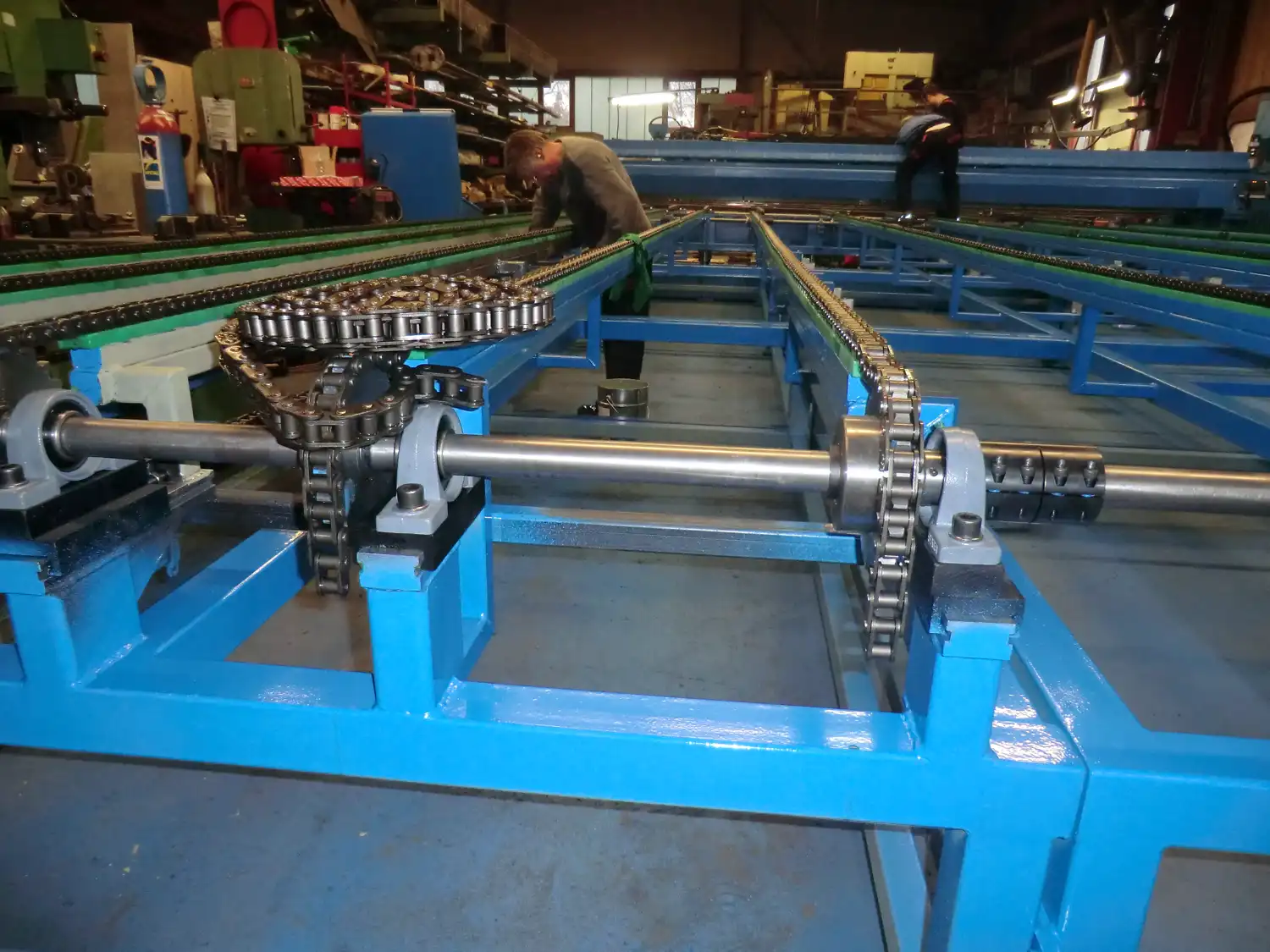
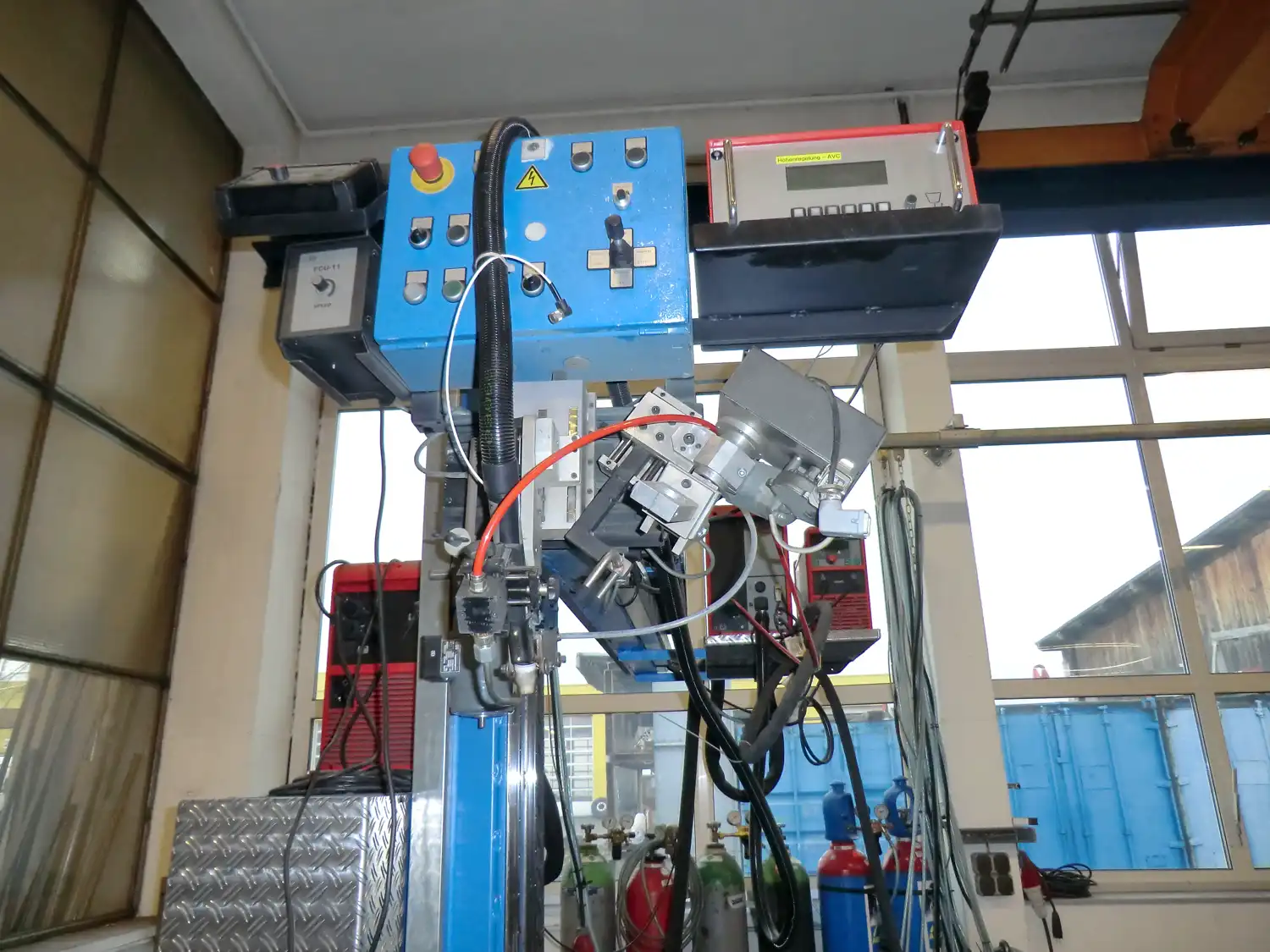
Vertical circular seam welding machine with rotary axes
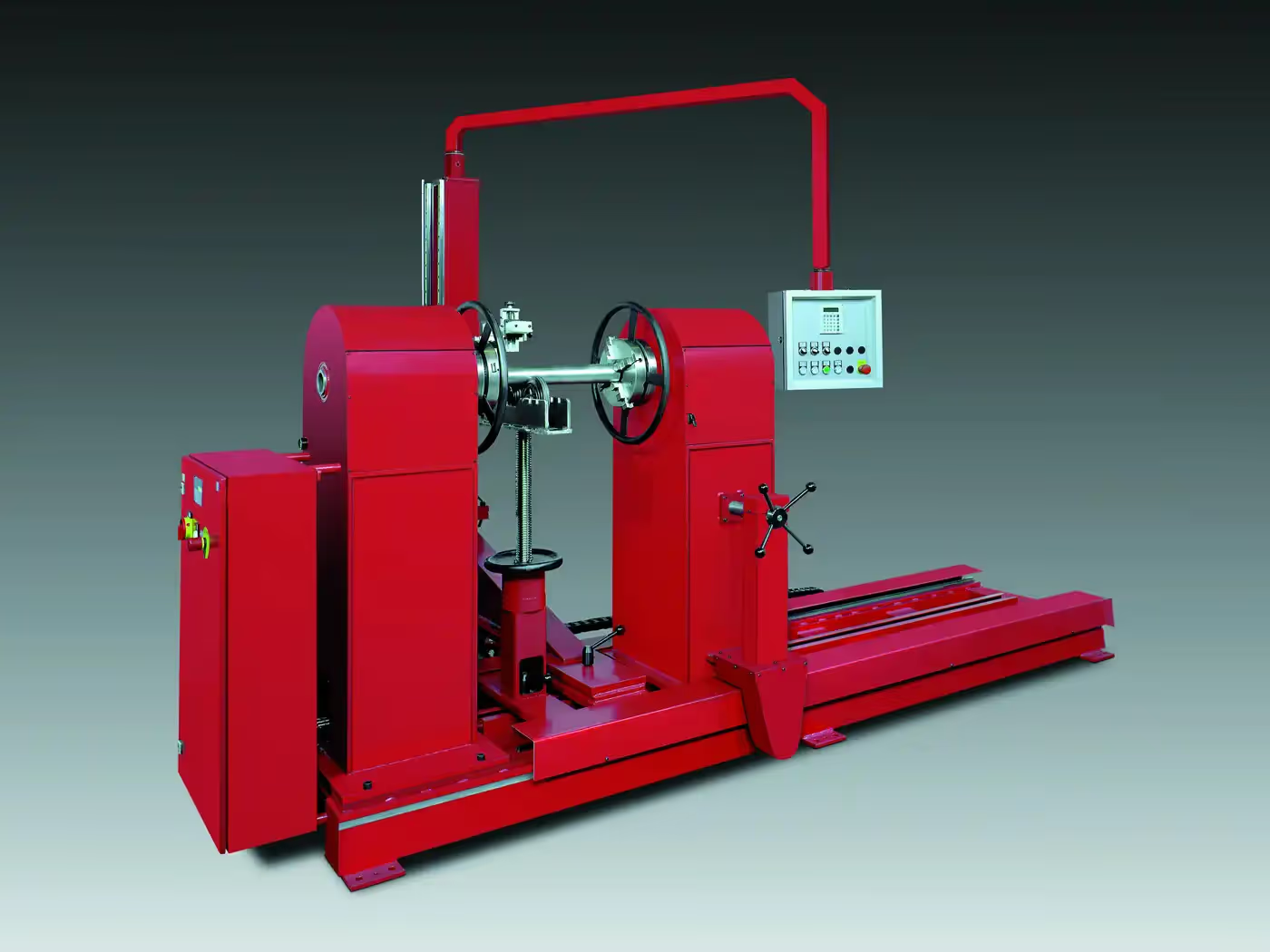

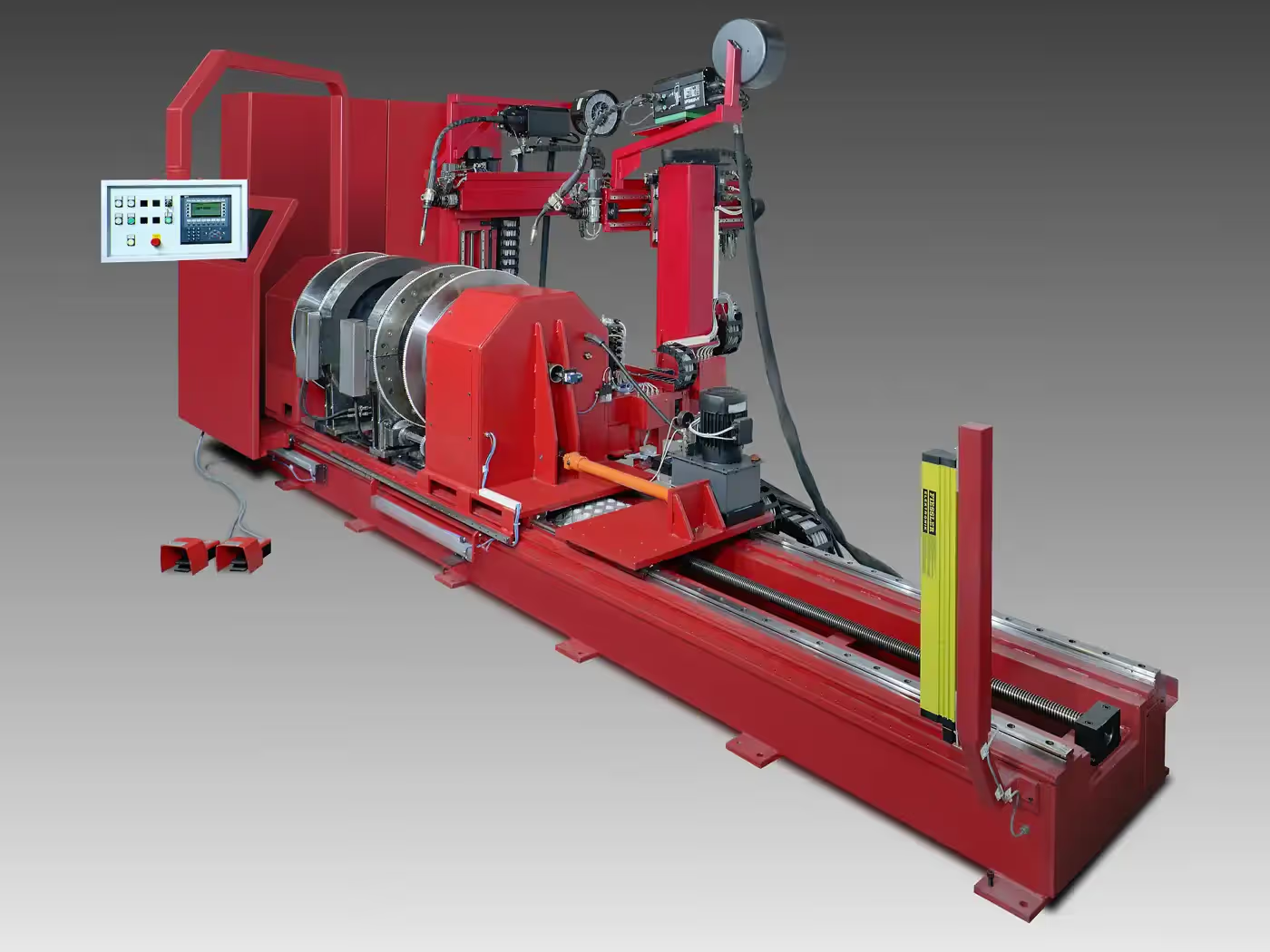
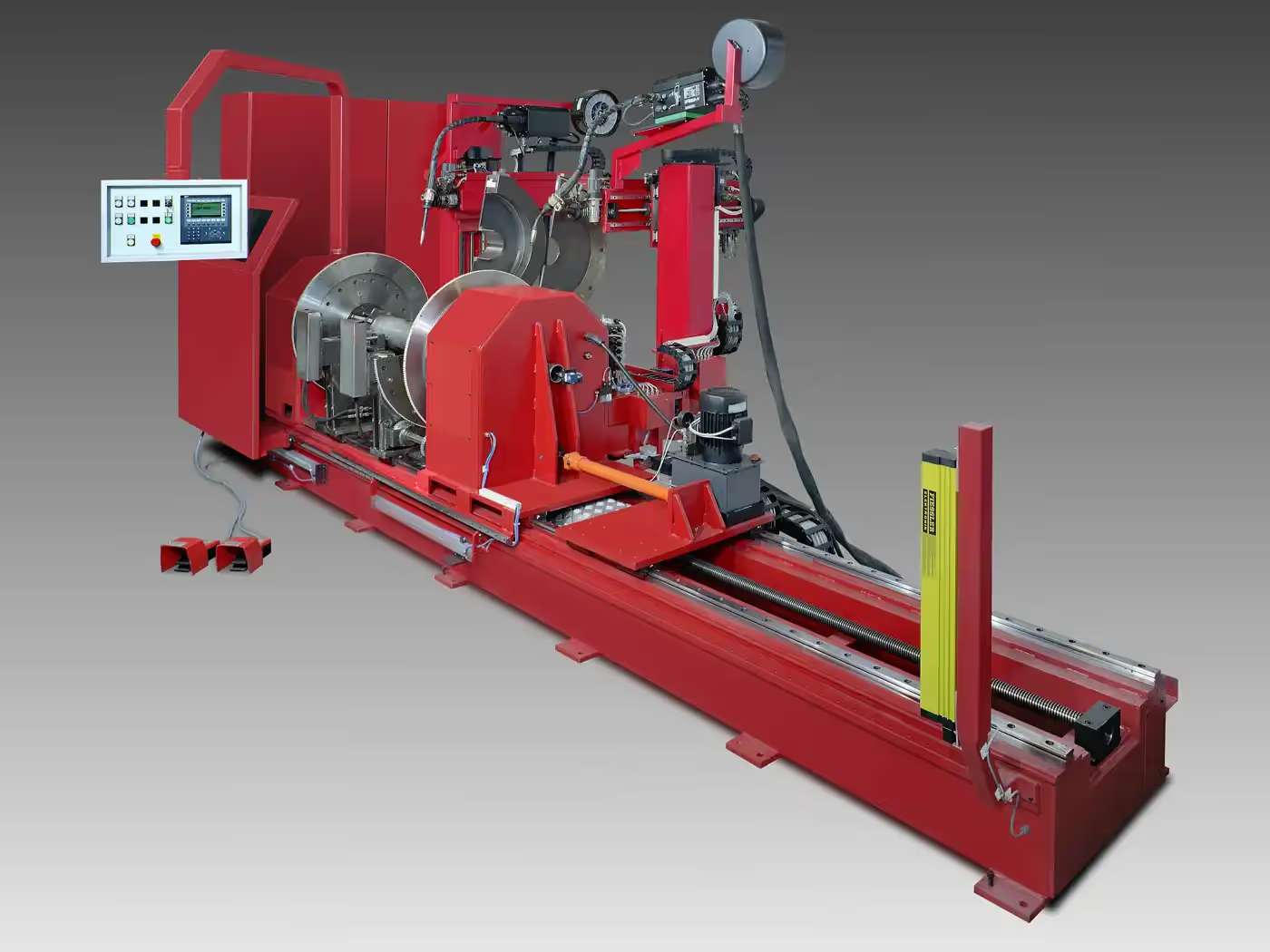

Horizontal circular seam welding machine with turntable
-1400px.avif)
-1500px.avif)
-1500px.avif)
-1400px.avif)
-1400px.avif)
Circular seam welder with integrated forming unit
-1400px.avif)
-1500px.avif)
-1400px.avif)
-1500px.avif)
-1400px.avif)
Circular seam welding machine for 3D contours
-1400px.avif)
-1400px.avif)
-1400px.avif)
-1400px.avif)
-1400px.avif)
Details on Circular Seam Welding Machines
When is a Circular Seam Welding Machine Used?
In horizontal circular seam welding, the workpiece is supported and clamped accordingly, creating a controlled welding position. A significant advantage is the stable guidance of the weld pool, preventing uncontrolled flow.
The vertical circular seam welding machine also enables the welding of circumferential seams, but differs in workpiece arrangement and process control.
Your Advantages with a Circular Seam Welding Machine
The Right Clamping Technology for Your Application
The choice between pneumatic or hydraulic systems depends primarily on the workpiece weight and how effectively the component was pre-rounded.
FAQs
Automation is possible. The workpieces are first clamped, after which the machine can execute a fixed welding program, making it suitable for series production parts. Furthermore, the positioning of flanges on the cylindrical surfaces can be integrated into the process. Additionally, camera monitoring can be used to determine the shape and position of parts or to check if the correct parts have been clamped. Seam tracking is also possible.
Generally, different materials can be processed. The material used depends on the chosen welding process.
The possible material thicknesses are not fundamentally limited by the machine design. Material thicknesses of approximately 0.8–1.0 mm up to 30 mm or 50 mm are achievable.
There are no fundamental limitations regarding length or diameter. We have already produced workpieces up to 12 meters in length on a vertical circumferential welding machine, and diameters of almost 8 meters on a horizontal circumferential welding machine.
All welding processes can be used.
With vertical circumferential welding machines, welding is typically performed from the outside. Internal welding is possible if the pipe is sufficiently large. For horizontal circumferential welding machines with a rotary table, welding is also predominantly done from the outside. In individual cases, internal welding is also possible here, provided there is enough space available for the welding head.
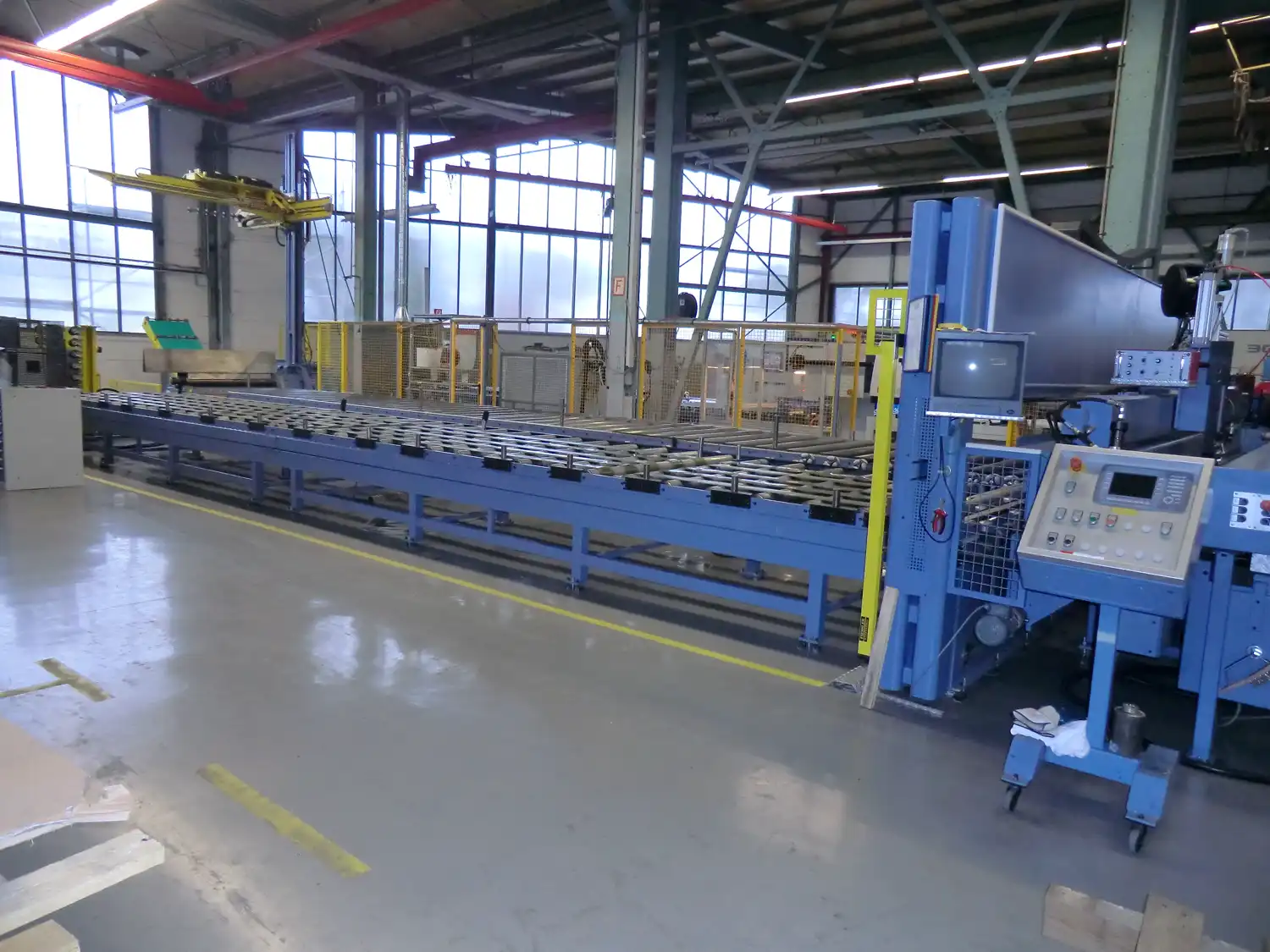
For right-angle sheet metal connections and butt joints, we offer automated fillet/butt welding machines.
Does your production need an integrated welding solution?
We support you in developing a tailor-made machine solution — regardless of the welding process, focused on your processes.